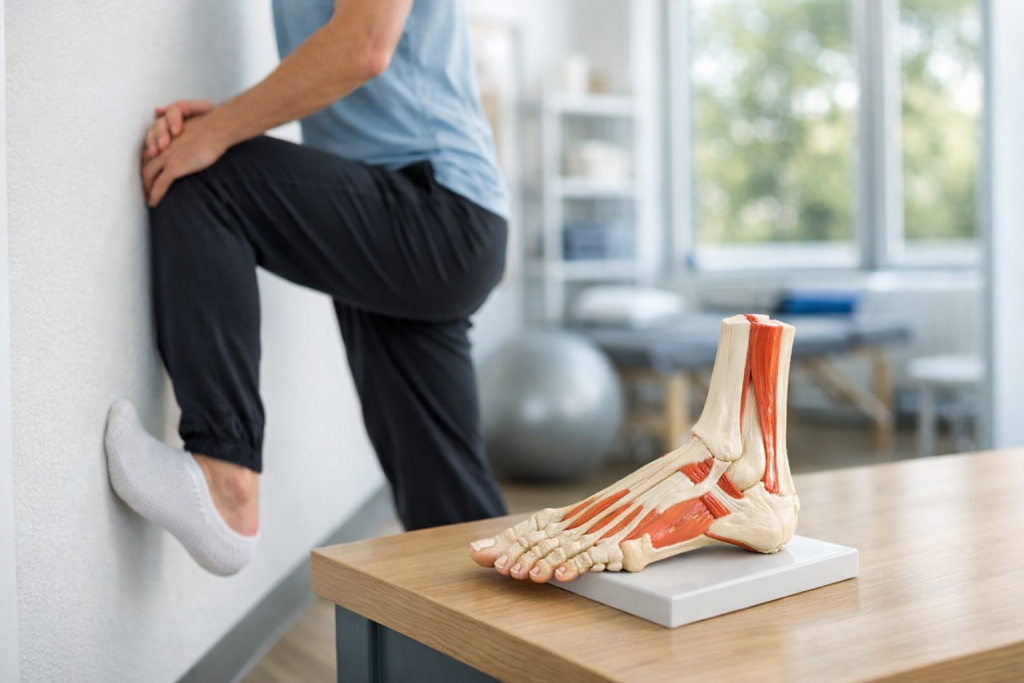
Plantar fasciitis is one of the most common causes of heel pain, affecting millions of people each year. Whether you’re an athlete, a healthcare worker on your feet all day, or someone who recently increased activity levels, persistent heel discomfort can significantly impact mobility and quality of life.
Understanding what plantar fasciitis is, why it develops, and how to treat it properly is essential for long-term relief and prevention.
What Is Plantar Fasciitis?
Plantar fasciitis is inflammation or degeneration of the plantar fascia – a thick band of connective tissue that runs along the bottom of the foot, connecting the heel bone (calcaneus) to the toes. This tissue supports the arch of the foot and absorbs shock during walking, running, and standing.
When excessive strain causes micro-tears in the fascia, the body responds with inflammation and pain. Over time, chronic stress can lead to tissue degeneration rather than simple inflammation.
Common Causes of Plantar Fasciitis
Plantar fasciitis develops when repetitive stress overwhelms the plantar fascia’s ability to recover. Several factors contribute:
1. Overuse or Sudden Activity Increase
-
Rapid increase in running mileage
-
Starting a new fitness program
-
Occupations requiring prolonged standing
2. Biomechanical Stress
-
Flat feet (overpronation)
-
High arches
-
Tight calf muscles
-
Limited ankle mobility
3. Poor Footwear Support
Unsupportive shoes fail to distribute pressure properly, increasing strain on the heel.
4. Hard Surfaces
Frequent walking or standing on concrete or tile floors increases impact forces.
Key Symptoms of Plantar Fasciitis
Recognizing early symptoms allows for faster recovery.
Classic Symptoms Include:
-
Sharp heel pain with the first steps in the morning
-
Pain after prolonged sitting or rest
-
Tenderness at the bottom of the heel
-
Stiffness in the arch
-
Pain that improves with movement but returns after activity
Morning pain is particularly characteristic. During sleep, the plantar fascia shortens. When you take your first steps, the sudden stretch triggers discomfort.
If left untreated, pain may become constant and begin affecting walking patterns, leading to secondary problems in the knees, hips, or lower back.
Who Is at Risk?
Certain populations are more vulnerable to plantar fasciitis:
Athletes
Runners and dancers place repetitive strain on the plantar fascia.
Workers Who Stand for Long Hours
Healthcare professionals, retail staff, warehouse workers, and teachers are at increased risk.
Individuals With Obesity
Increased body weight adds stress to the plantar fascia.
Adults Aged 40–60
Age-related tissue changes reduce elasticity and recovery capacity.
People With Tight Calves or Limited Ankle Flexibility
Restricted ankle motion increases tension on the plantar fascia.
How Footwear Impacts Heel Pain
Footwear plays a crucial role in both causing and resolving plantar fasciitis.
1. Arch Support Matters
Shoes lacking arch support allow excessive flattening of the foot. This overstretches the plantar fascia with each step. Proper arch support helps distribute pressure evenly across the foot.
2. Heel Cushioning Reduces Impact
Inadequate cushioning increases force transmission to the heel bone. Shock-absorbing midsoles reduce repetitive trauma.
3. Stability Prevents Overpronation
Shoes with good structure control inward rolling (overpronation), which can strain the fascia.
4. Worn-Out Shoes Increase Risk
Footwear typically loses shock absorption after 500–800 km of use (for running shoes). Continuing to wear worn-out shoes prolongs strain.
5. Minimalist or Flat Shoes
While some individuals adapt to minimalist footwear, sudden transitions to flat or unsupportive shoes often trigger heel pain.
Clinical takeaway: Footwear is not just comfort – it is biomechanical protection.
Home Treatments for Plantar Fasciitis
Most cases improve with conservative care. Early intervention is key.
1. Rest and Activity Modification
Avoid high-impact activities such as running or jumping. Replace with low-impact options like cycling or swimming.
2. Ice Therapy
Apply ice to the heel for 15–20 minutes after activity to reduce inflammation.
3. Stretching Exercises
Daily stretching improves flexibility and reduces tension.
Effective stretches include:
-
Calf stretches against a wall
-
Towel stretch before getting out of bed
-
Rolling the arch over a frozen water bottle
4. Strengthening Exercises
Strengthening intrinsic foot muscles supports arch stability. Toe curls and short foot exercises are beneficial.
5. Supportive Footwear Indoors
Avoid walking barefoot on hard floors. Wear supportive slippers or recovery sandals at home.
6. Over-the-Counter Insoles
Prefabricated orthotics can provide temporary arch support and heel cushioning.
Professional Treatment Options
If pain persists beyond 4–6 weeks despite conservative care, professional evaluation is recommended.
1. Physical Therapy
A physiotherapist can:
-
Perform manual therapy
-
Guide structured stretching programs
-
Correct gait abnormalities
-
Provide taping techniques for arch support
2. Custom Orthotics
Custom-made orthotics address specific biomechanical issues and redistribute pressure effectively.
3. Night Splints
Night splints maintain the foot in a dorsiflexed position, preventing overnight tightening.
4. Anti-Inflammatory Medication
Nonsteroidal anti-inflammatory drugs (NSAIDs) may provide temporary symptom relief.
5. Corticosteroid Injections
Used selectively for severe pain. While effective short term, repeated injections can weaken tissue.
6. Shockwave Therapy (ESWT)
Extracorporeal shockwave therapy stimulates healing in chronic cases.
7. Surgical Intervention
Rarely required (less than 5% of cases). Considered only after 6–12 months of failed conservative treatment.
Recovery Timeline
Recovery depends on severity and consistency of treatment.
-
Mild cases: 4–6 weeks
-
Moderate cases: 2–3 months
-
Chronic cases: 6–12 months
Consistency with stretching and supportive footwear dramatically improves outcomes.
Preventing Recurrence
Prevention strategies are critical once symptoms improve.
-
Replace worn shoes regularly
-
Maintain healthy body weight
-
Warm up before exercise
-
Stretch calves daily
-
Avoid sudden increases in activity
-
Wear arch support when standing for long periods
Ignoring early heel discomfort increases the risk of chronic degeneration.
When to See a Healthcare Professional
Seek medical evaluation if:
-
Pain persists beyond 6 weeks
-
Swelling or redness develops
-
You experience numbness or tingling
-
Pain affects both heels severely
-
Symptoms interfere with work or daily function
Other conditions such as heel stress fractures, nerve entrapment, or inflammatory arthritis may mimic plantar fasciitis and require different treatment.
Final Thoughts
Plantar fasciitis is highly treatable, especially when addressed early. The condition develops from repetitive strain – and recovery requires reducing stress while strengthening support structures.
Footwear plays a foundational role in both prevention and recovery. Combined with structured stretching, strengthening, and professional care when necessary, most individuals return to pain-free activity without surgery.
Heel pain should never be ignored. Early intervention protects long-term mobility.
unrxtwkqniuuzojufnznwuxqpkostx