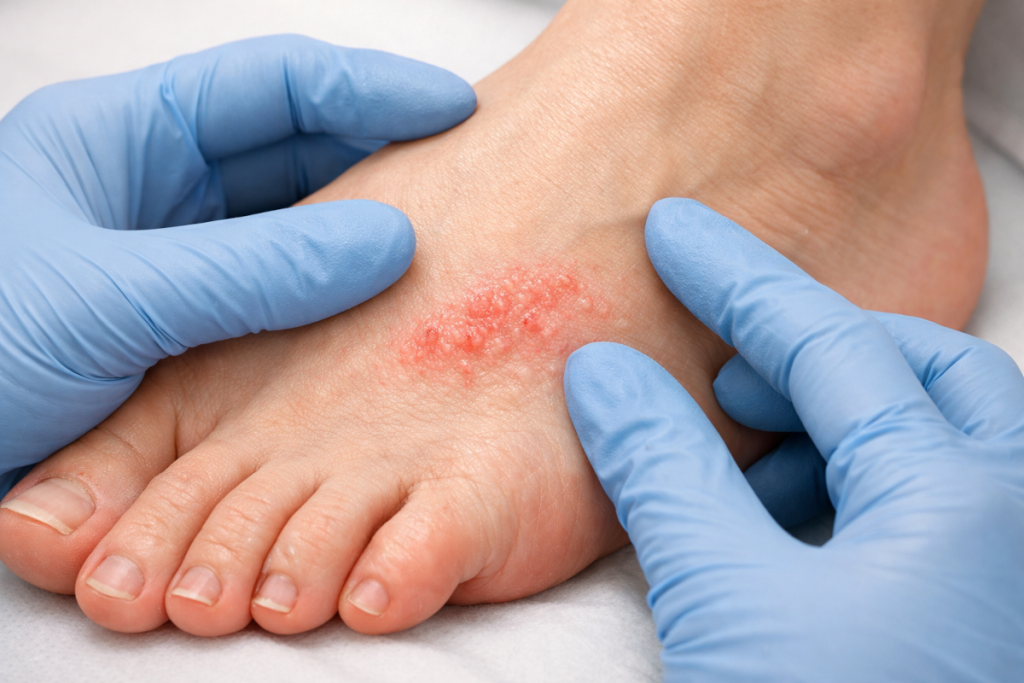
For people living with diabetes, foot health is not just about comfort — it’s about protection, mobility, and long-term wellbeing. One of the most serious complications of diabetes is the development of foot ulcers, which are open sores or wounds that can become infected if not treated early.
The good news? Most diabetic foot ulcers are preventable. And when detected early, they are far easier to treat.
In this guide, we’ll explain the early warning signs of diabetic foot ulcers, why early detection is critical, and what you can do to protect your feet every day.
Why Diabetes Affects the Feet
Before we discuss warning signs, it’s important to understand why people with diabetes are at higher risk.
There are two main reasons:
1. Nerve Damage (Peripheral Neuropathy)
High blood sugar over time can damage nerves in the feet. This may lead to:
-
Reduced sensation
-
Tingling or burning
-
Complete numbness
When you cannot feel pain properly, you may not notice small cuts, blisters, or pressure injuries — and those small problems can quickly worsen.
2. Poor Circulation
Diabetes can also affect blood flow to the legs and feet. Reduced circulation slows healing and makes it harder for the body to fight infection.
Together, nerve damage and poor circulation create the perfect conditions for ulcers to form and worsen without obvious pain.
Early Warning Signs of Diabetic Foot Ulcers
Recognizing early symptoms can prevent a minor issue from becoming a serious complication. Below are the most important signs to monitor.
1. Redness That Doesn’t Go Away
A small area of redness may not seem alarming — but in someone with diabetes, it can be the first sign of pressure damage or skin irritation.
Watch for:
-
Red spots on the heel, toes, or ball of the foot
-
Redness over bony areas
-
Skin that stays red even after removing shoes
Persistent redness may indicate:
-
Pressure from tight footwear
-
Friction from seams or socks
-
Early tissue breakdown
If redness lasts more than 24 hours, it should be evaluated.
2. Swelling in the Foot or Ankle
Swelling can signal inflammation, infection, or tissue injury.
Be alert to:
-
One foot swelling more than the other
-
Swelling around a small wound
-
Tightness in shoes that normally fit comfortably
Swelling combined with warmth or redness may indicate developing infection. Early intervention at this stage can prevent deeper tissue involvement.
3. Drainage or Unusual Moisture
One of the most concerning early signs is unexpected drainage.
Look for:
-
Wet spots inside socks
-
Fluid stains on bedding
-
Yellow, clear, or bloody discharge
Drainage may mean:
-
An open wound has formed
-
Infection is beginning
-
Tissue is breaking down beneath the skin
Because neuropathy reduces sensation, many patients do not feel the wound forming — they only notice the drainage later.
Any unexplained moisture should be assessed promptly.
4. Numbness or Tingling
While numbness itself does not cause an ulcer, it significantly increases the risk.
Signs of nerve damage include:
-
“Pins and needles” sensation
-
Burning or shooting pain
-
Complete loss of feeling in parts of the foot
If you cannot feel a blister, pebble in your shoe, or minor cut, the injury may worsen unnoticed.
Loss of sensation is one of the strongest predictors of ulcer development.
5. Skin Breakdown or Open Areas
Sometimes the earliest visible sign is subtle skin change.
Pay attention to:
-
Cracked heels
-
Dry, peeling skin
-
Blisters
-
Corns or calluses that look thick or yellow
-
Darkened areas under calluses
Calluses deserve special attention. When pressure builds beneath them, tissue damage can develop underneath the surface before the skin even opens.
Once the skin breaks, bacteria can enter easily.
6. Warmth in a Specific Area
If one part of the foot feels warmer than the surrounding skin, it may signal inflammation or infection.
You can check by:
-
Using the back of your hand
-
Comparing both feet side by side
Unusual warmth combined with redness or swelling requires immediate evaluation.
7. Changes in Skin Color
Beyond redness, other color changes may be warning signs:
-
Pale or bluish skin (circulation issues)
-
Dark or blackened areas (possible tissue death)
-
Yellowing around thick calluses
Color changes should never be ignored, especially in people with long-standing diabetes.
Why Early Detection Is Critical
Many patients delay care because the problem “doesn’t hurt.” Unfortunately, pain is not a reliable indicator in diabetic foot conditions.
Early detection matters because:
1. Small Wounds Progress Quickly
A tiny blister can become a deep ulcer within days if pressure continues.
2. Infection Can Spread Rapidly
Untreated infections can reach:
-
Tendons
-
Bones
-
Bloodstream
This can lead to hospitalization or even amputation.
3. Healing Is Slower in Diabetes
Reduced circulation and elevated blood glucose slow the body’s ability to repair tissue.
4. Amputations Are Often Preventable
Studies show that most diabetes-related amputations are preceded by an ulcer — and many of those ulcers begin as minor, unnoticed injuries.
The earlier a problem is identified, the simpler and more effective the treatment.
Daily Prevention Strategies
Prevention is far more effective than treatment. Incorporate these habits into your routine.
1. Inspect Your Feet Daily
Check:
-
Between the toes
-
The soles
-
Around the heels
-
Under calluses
Use a mirror if needed, or ask a family member for help.
Look for:
-
Redness
-
Swelling
-
Cracks
-
Blisters
-
Drainage
Even small changes matter.
2. Wash and Moisturize Carefully
-
Wash feet daily in lukewarm water
-
Dry thoroughly, especially between toes
-
Apply moisturizer to prevent cracking (avoid between toes)
Dry, cracked skin increases infection risk.
3. Trim Nails Properly
-
Cut straight across
-
Avoid cutting too short
-
Do not dig into corners
If vision or flexibility is limited, consider professional nail care.
4. Wear Proper Footwear
Choose:
-
Shoes with a wide toe box
-
Soft interior lining
-
Proper cushioning
-
Seamless socks
Avoid:
-
Walking barefoot
-
Tight shoes
-
High heels
-
Flip-flops
Always check inside shoes before wearing them.
5. Manage Blood Sugar Levels
Consistent blood glucose control helps:
-
Protect nerves
-
Improve circulation
-
Speed healing
Foot health begins with overall diabetes management.
6. Avoid Self-Treating Corns or Calluses
Do not use:
-
Razor blades
-
Over-the-counter acid pads
-
Sharp tools
Improper treatment can cause skin injury and ulcer formation.
When to Seek Medical Attention
Contact a healthcare provider immediately if you notice:
-
An open wound
-
Increasing redness or swelling
-
Drainage
-
Foul odor
-
Fever
-
Skin turning dark
Do not “wait and see.” Early evaluation can prevent complications.
The Importance of Routine Foot Exams
Even if your feet look healthy, routine professional exams are essential.
A comprehensive foot exam can:
-
Detect early nerve damage
-
Assess circulation
-
Identify pressure points
-
Provide footwear recommendations
-
Prevent ulcers before they form
For many patients, foot problems develop silently. Regular checkups act as a safety net.
Most diabetes guidelines recommend at least one professional foot exam per year, and more frequently for those at higher risk.
Final Thoughts: Protect Your Feet Before Problems Begin
Diabetic foot ulcers rarely start as major wounds. They begin quietly — with redness, mild swelling, subtle numbness, or a small crack in the skin.
The key is awareness.
By checking your feet daily, wearing proper footwear, controlling blood sugar, and scheduling routine exams, you dramatically reduce your risk of serious complications.
Your feet carry you through life. They deserve consistent attention and care.
If you live with diabetes, make foot health part of your routine — and schedule regular foot examinations with a qualified healthcare professional.
Early detection saves limbs.
Prevention saves lives.
oovzkwttpophwolerumjgmeoyrylyk