Understanding Bunions: Causes, Treatments, and What to Expect
Bunions are one of the most common foot problems affecting adults, yet they are often misunderstood. Many people believe bunions only happen to older individuals or are simply a cosmetic issue. In reality, bunions can cause significant discomfort, affect mobility, and interfere with everyday activities such as walking or exercising. Understanding what bunions are, why they develop, and the available treatment options can help people make informed decisions about managing their foot health.
What Is a Bunion?
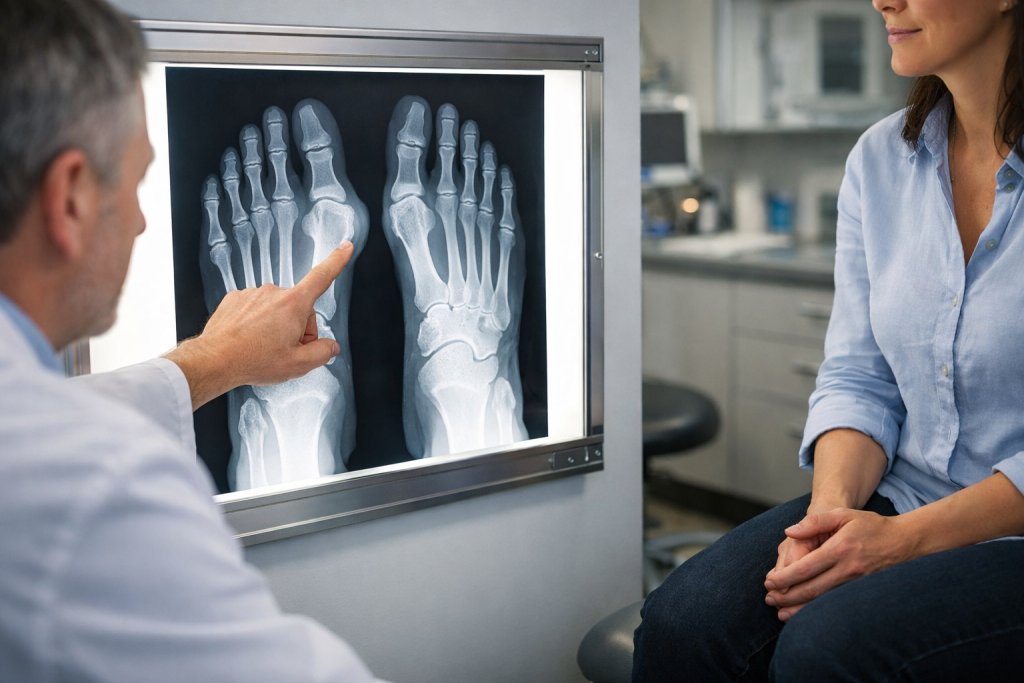
A bunion, medically known as hallux valgus, is a bony bump that forms at the base of the big toe joint. It occurs when the big toe gradually shifts toward the second toe, causing the joint at the base of the big toe to protrude outward.
This misalignment can lead to several problems including:
-
Pain or tenderness around the joint
-
Redness and swelling
-
Difficulty wearing certain shoes
-
Calluses or corns where toes rub together
-
Limited movement of the big toe
Over time, bunions may worsen if the underlying cause continues to place pressure on the joint.
What Causes Bunions?
Bunions usually develop gradually and are often the result of a combination of factors rather than a single cause.
1. Genetics and Foot Structure
One of the most significant factors is inherited foot structure. If you have flat feet, overly flexible ligaments, or a certain bone alignment pattern, you may be more likely to develop bunions. Many people with bunions have family members who also experience the condition.
2. Footwear Choices
Tight, narrow, or high-heeled shoes can contribute to bunion formation. Shoes that squeeze the toes together force the big toe toward the second toe, placing extra stress on the joint. Over many years, this pressure can accelerate the development of bunions.
3. Foot Mechanics and Walking Patterns
Certain walking patterns or biomechanical issues can place abnormal pressure on the big toe joint. Conditions such as overpronation (when the foot rolls inward excessively) can increase stress on the forefoot.
4. Medical Conditions
Some inflammatory conditions, such as rheumatoid arthritis, can increase the risk of bunion development by affecting the joints and surrounding tissues.
5. Occupation or Activity
Jobs or activities that require prolonged standing, walking, or wearing restrictive footwear may contribute to bunion progression.
Non-Surgical Treatment Options
Many people assume that bunions always require surgery, but that is not necessarily true. In fact, most bunions can be managed effectively with non-surgical treatments, especially when caught early.
1. Wearing Proper Footwear
One of the most effective ways to reduce bunion discomfort is to wear wide, supportive shoes with a roomy toe box. This helps reduce pressure on the joint and allows the toes to spread naturally.
Look for shoes that offer:
-
Wide toe boxes
-
Low heels
-
Good arch support
-
Soft or flexible uppers
Avoid narrow dress shoes or high heels whenever possible.
2. Orthotic Inserts
Custom or over-the-counter orthotic inserts can help correct foot mechanics and redistribute pressure across the foot. Orthotics are particularly helpful for individuals with flat feet or overpronation.
They can help:
-
Improve alignment
-
Reduce joint stress
-
Increase comfort when walking
3. Padding and Bunion Protectors
Gel pads or bunion sleeves can cushion the joint and prevent friction from shoes. While these devices do not correct the bunion itself, they can reduce irritation and discomfort.
4. Ice and Anti-Inflammatory Care
When bunions become swollen or painful, applying ice and using anti-inflammatory measures can help relieve symptoms.
5. Toe Exercises and Physical Therapy
Strengthening and stretching exercises may improve flexibility and support around the big toe joint. Some physical therapists recommend exercises designed to help maintain joint mobility and reduce stiffness.
6. Activity Modifications
Reducing activities that aggravate bunion pain can help prevent flare-ups. For example, alternating footwear or limiting time in tight shoes may significantly improve comfort.
When Does Surgery Become Necessary?
While many bunions can be managed conservatively, surgery may become necessary when symptoms significantly affect quality of life.
Doctors may recommend surgery when:
-
Pain persists despite conservative treatment
-
Walking or daily activities become difficult
-
The bunion continues to worsen
-
Toe alignment interferes with other toes
-
Chronic inflammation or joint damage occurs
Bunion surgery aims to realign the bones, ligaments, and tendons to restore normal foot function.
There are several surgical techniques available depending on the severity of the bunion. These procedures may involve removing the bony bump, repositioning bones, or stabilizing the joint.
The goal is not only cosmetic improvement but also restoring proper joint alignment and reducing pain.
Recovery After Bunion Surgery
Recovery time varies depending on the surgical technique used and the severity of the bunion. However, most patients can expect a structured recovery process.
Early Recovery (First 2 Weeks)
-
The foot is typically protected in a surgical shoe or boot
-
Swelling and mild discomfort are normal
-
Elevation and rest are important
Intermediate Recovery (Weeks 3–6)
-
Gradual return to walking with protective footwear
-
Sutures are removed
-
Light activities may resume
Full Recovery (2–6 Months)
-
Most swelling gradually resolves
-
Patients can return to regular footwear
-
Full activity may resume depending on healing
In some cases, minor swelling can persist for several months.
Common Fears and Myths About Bunions
Many patients delay treatment because of misconceptions about bunions. Addressing these myths can help people seek care earlier and prevent worsening symptoms.
Myth 1: Bunions Are Only Cosmetic
While bunions do change the appearance of the foot, they are primarily a structural joint problem. Left untreated, they may lead to pain, mobility issues, and secondary foot conditions.
Myth 2: Only Older Adults Get Bunions
Bunions can develop in younger adults and even teenagers, especially if there is a genetic predisposition or biomechanical imbalance.
Myth 3: Surgery Is the Only Solution
Many bunions can be managed effectively with conservative treatments such as footwear changes, orthotics, and activity modifications.
Myth 4: Bunion Surgery Is Extremely Painful
Modern surgical techniques and improved post-operative care have made bunion surgery far more comfortable than many people expect. Pain is typically manageable with medication and proper recovery protocols.
Myth 5: Bunions Always Come Back After Surgery
Recurrence is possible but uncommon when the underlying structural issues are properly corrected and patients follow post-surgical guidelines.
Protecting Your Foot Health
The best approach to bunions is early awareness and proactive care. If you notice the early signs of a bunion—such as mild swelling, joint tenderness, or the big toe drifting toward the second toe—taking action early can help slow progression.
Healthy habits that support foot health include:
-
Wearing properly fitted shoes
-
Maintaining good foot mechanics with orthotics if needed
-
Avoiding prolonged pressure on the forefoot
-
Seeking professional advice when pain persists
Final Thoughts
Bunions are a common but manageable foot condition. While they may start as a minor inconvenience, ignoring symptoms can allow the condition to worsen over time. Fortunately, a wide range of treatment options—both surgical and non-surgical—are available to help relieve pain and restore comfort.
By understanding the causes, treatment options, and recovery expectations, individuals can take informed steps to protect their mobility and maintain healthy, pain-free feet. Early intervention, proper footwear, and professional guidance can make a significant difference in preventing bunions from interfering with everyday life.
fxgggxwzhnlmlunfskhxjywzkfqsjw